LRF 모듈 발산 각도에 대한 전체 가이드 - 애플리케이션에 적합한 빔 스프레드를 선택하는 방법
LRF 모듈에서 발산 각도란 무엇인가요?
레이저 거리측정기(LRF) 모듈의 발산각은 레이저 빔이 거리를 이동하면서 얼마나 퍼지는지를 나타냅니다. 일반적으로 밀리라디안(mrad) 단위로 측정됩니다.
발산각이 작을수록 장거리에서 좁은 빔을 생성하여 작거나 멀리 있는 물체를 정밀하게 조준할 수 있습니다. 발산 각도가 클수록 더 넓은 빔이 생성되어 움직이는 물체나 큰 물체에는 더 관대할 수 있지만 정확한 측정에는 정확도가 떨어질 수 있습니다.
발산 각도 계산 방법
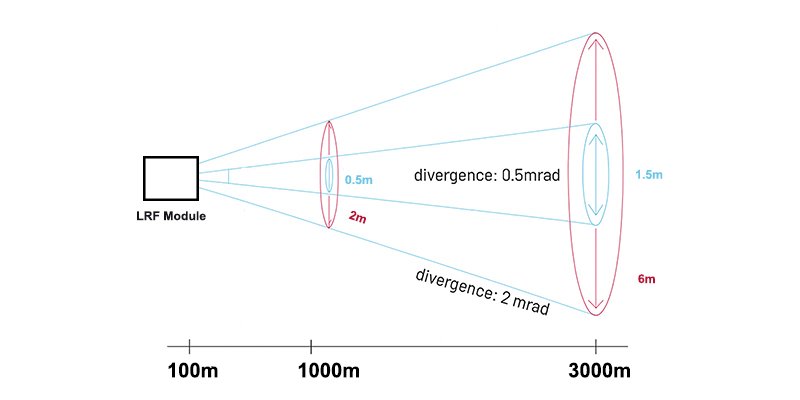
발산 각도는 공식을 사용하여 추정할 수 있습니다:
거리에서의 빔 직경 = 초기 빔 직경 + (발산 × 거리)
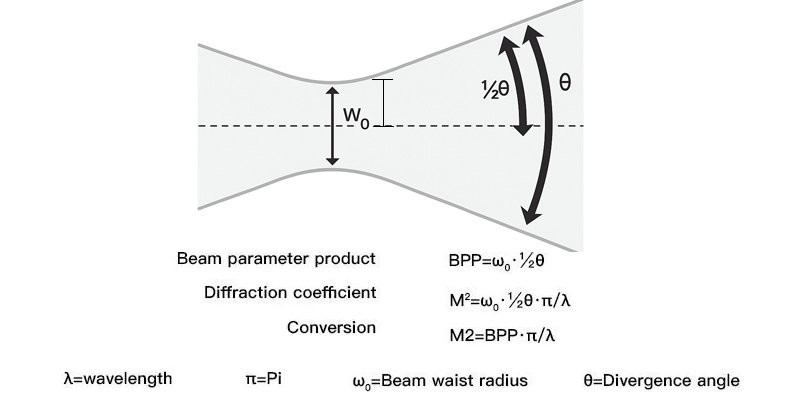
예를 들어
- LRF 모듈의 발산이 1mrad인 경우, 빔은 1,000m를 이동할 때마다 1m씩 확장됩니다.
- 3km에서 빔의 폭은 원점보다 6미터 더 넓어집니다.
발산 각도가 중요한 이유
발산 각도는 몇 가지 주요 측면에 영향을 미칩니다:
- 측정 정확도 - 좁은 빔으로 작은 표적도 정밀하게 감지할 수 있습니다.
- 신호 강도 - 발산이 적다는 것은 목표에 더 집중된 에너지가 도달한다는 뜻입니다.
- 환경 성과 - 다이버전스가 낮을수록 안개, 비 또는 먼지 속에서 성능이 향상됩니다.
- 대상 인식 - 빔이 넓을수록 배경 소음이 더 많이 포착되어 정확도에 영향을 줄 수 있습니다.
애플리케이션별 권장 발산 각도
- 장거리 정밀도(측량, 군사 표적) → 0.3-0.8mrad
- 중간 정도의 정확도를 갖춘 중간 범위(산업 자동화, 차량 감지) → 1-2mrad
- 단거리 넓은 커버리지(물체 스캐닝, 충돌 방지) → 2~5mrad
올바른 발산 각도를 선택하는 방법
- 타겟 규모 고려 - 작은 타겟은 더 단단한 빔이 필요합니다.
- 작동 거리 고려 - 장거리는 낮은 발산의 이점을 누릴 수 있습니다.
- 환경 조건 고려 - 다이버전스가 낮을수록 까다로운 조건에서 더 나은 성능을 발휘합니다.
- 감지기 감도와 균형 맞추기 - 센서가 선택한 발산 지점에서 빔을 감지할 수 있는지 확인합니다.
결론

올바른 발산 각도를 선택하려면 발산 각도를 이해하는 것이 필수적입니다. LRF 모듈 를 선택하십시오. 정확한 정확도가 필요하든 넓은 범위가 필요하든, 적절한 빔 스프레드를 선택하면 측정 성능을 극대화할 수 있습니다.
FAQ
1. What is the divergence angle of an LRF module?
The divergence angle refers to how much the laser beam spreads as it travels away from the source. A smaller divergence angle means the beam stays more concentrated over long distances, which can improve measurement performance.
2. Why is divergence angle important for laser rangefinder modules?
The divergence angle directly affects measurement accuracy, detection capability, and target resolution. Choosing the right beam spread helps ensure stable and reliable distance measurements in different environments.
3. What is a typical divergence angle for laser rangefinder modules?
Most laser rangefinder modules have a divergence angle ranging from about 0.5 mrad to several milliradians, depending on the optical design and intended application.
4. How does divergence angle affect long-distance measurements?
For long-range measurements, a smaller divergence angle is usually preferred because the laser beam remains more focused, allowing the sensor to detect distant targets more effectively.
5. When is a larger divergence angle beneficial?
A larger divergence angle can be useful when measuring wider surfaces or when target alignment is difficult, as the wider beam increases the chance of hitting the object.
6. How do you choose the right beam divergence for your application?
The selection depends on several factors, including measurement distance, target size, environmental conditions, and system integration requirements.
7. What divergence angle is best for long range laser rangefinder modules?
For long range applications, a narrow divergence angle is generally preferred because it keeps the beam focused over greater distances, improving detection capability and measurement stability.