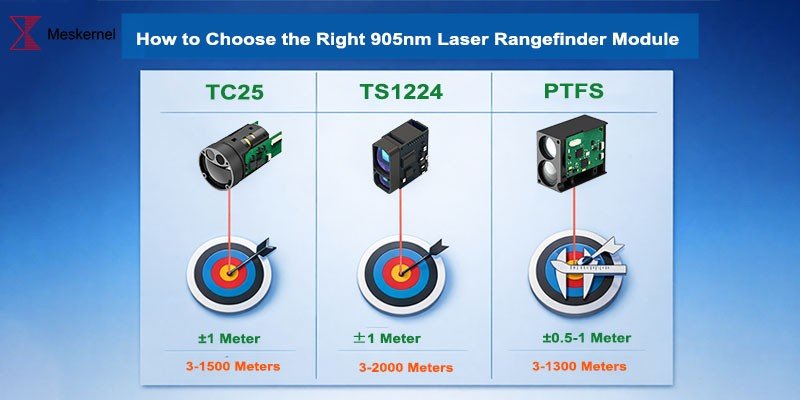
Uygulamanız için Doğru 905nm Lazer Telemetre Modülü Nasıl Seçilir
Bu 905nm Lazer Telemetre Modülü endüstriyel otomasyon, robotik, İHA'lar, akıllı ulaşım sistemleri ve güvenlik uygulamalarında en yaygın kullanılan mesafe ölçüm çözümlerinden biri haline gelmiştir. Performans dengesi, maliyet verimliliği ve olgun bileşen ekosistemi sayesinde 905nm teknolojisi, lazer mesafe ölçümü pazarına hakim olmaya devam etmektedir.
Ancak, doğru 905nm lazer telemetre modülünü seçmek sadece en uzun menzili veya en düşük fiyatı seçmekle ilgili değildir. Ölçüm doğruluğu, çevresel performans, modül boyutu, arayüz uyumluluğu ve tedarikçi güvenilirliği gibi faktörlerin tümü uzun vadeli sistem başarısında kritik bir rol oynar.
Bu kılavuz, en uygun ürünü seçmenize yardımcı olacak temel hususlar konusunda size yol gösterecektir 905nm Lazer Telemetre Modülü özel uygulamanız için.
1. Ölçüm Aralığı Gereksinimlerinizi Anlayın
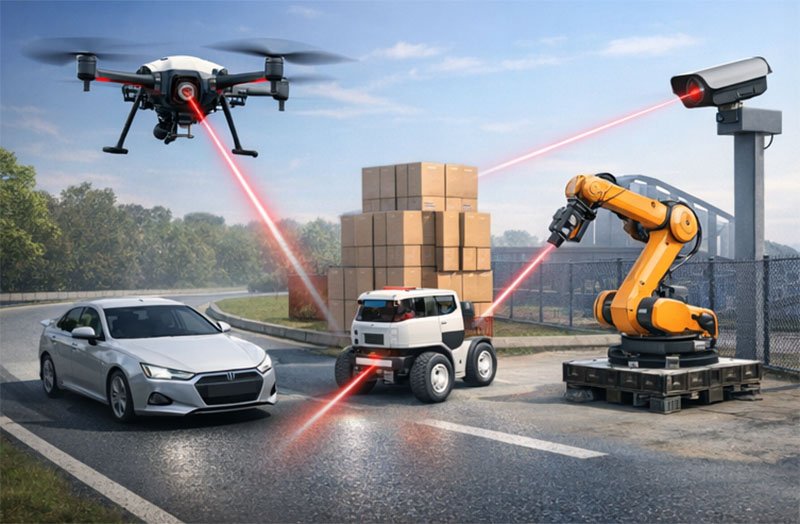
Sorulması gereken ilk sorulardan biri, sisteminizin ne kadar uzağı ölçmesi gerektiğidir. A lazer telemetre modülü kulağa cazip gelebilir, ancak daha uzun menzil genellikle daha yüksek güç tüketimi, daha büyük optikler ve artan maliyet gibi ödünlerle birlikte gelir.
İç mekan robotiği veya fabrika otomasyonu için ölçüm mesafeleri genellikle onlarca veya yüzlerce metredir. Bu durumlarda, orta menzilli kompakt bir 905nm lazer telemetre modülü yeterli performans ve daha hızlı yanıt süreleri sağlar.
İHA irtifa ölçümü, çevre güvenliği veya araç tespiti gibi dış mekan uygulamaları için genellikle birkaç yüz metrenin ötesinde güvenilir bir şekilde çalışabilen uzun menzilli bir lazer telemetre modülü gereklidir. Uzun mesafe performansı seçilirken güneş ışığı paraziti ve atmosferik koşullar gibi çevresel faktörler de göz önünde bulundurulmalıdır.
Modülün maksimum menzilinin gerçek operasyonel ihtiyaçlarla eşleştirilmesi, gereksiz maliyet ve sistem karmaşıklığının önlenmesine yardımcı olur.
2. Ölçüm Doğruluğunu ve Kararlılığını Değerlendirin
Doğruluk, bir cihaz seçerken bir diğer kritik parametredir. 905nm Lazer Telemetre Modülü. Endüstriyel sistemler genellikle aşırı maksimum aralık yerine tutarlı ve tekrarlanabilir ölçümler talep eder.
Yüksek kaliteli modüller, teknolojiye ve sinyal işleme tasarımına bağlı olarak tipik olarak metreden santimetre seviyesine kadar değişen doğrulukta performans sağlar. Sıcaklık değişimlerine karşı kararlılık ve uzun süreli çalışma, özellikle dış mekan veya zorlu ortamlar için aynı derecede önemlidir.
Teknik özellikleri karşılaştırırken, doğruluğun laboratuvar koşullarında mı yoksa gerçek dünya senaryolarında mı belirtildiğini daima kontrol edin. Güvenilir bir lazer telemetre modülü tedarikçisi, test koşullarını açıkça belirtecek ve gerçekçi performans verileri sağlayacaktır.
3. Modül Boyutunu ve Entegrasyon Kısıtlamalarını Dikkate Alın
Modern gömülü sistemlerde alan genellikle sınırlıdır. Bir seçme küçük boyutlu lazer telemetre modülü mekanik tasarım ve entegrasyonu önemli ölçüde basitleştirebilir.
Kompakt modüller özellikle dronlar, el cihazları, mobil robotlar ve taşınabilir ölçüm sistemleri için önemlidir. Bununla birlikte, boyutun küçültülmesi termal yönetimi veya optik açıklığı etkileyebilir ve bu da uzun menzilli performansı etkileyebilir.
Bir modülü sonlandırmadan önce onaylayın:
- Fiziksel boyutlar ve montaj yöntemi
- Ağırlık sınırlamaları
- Optik hizalama gereksinimleri
İyi tasarlanmış küçük boyutlu bir lazer telemetre modülü, kompaktlığı istikrarlı optik ve elektronik performansla dengeler.
4. Arayüz ve Sistem Uyumluluğunu Kontrol Edin
Doğru 905nm lazer telemetre modülü mevcut kontrol sisteminizle sorunsuz bir şekilde entegre olmalıdır. Yaygın iletişim arayüzleri, uygulama karmaşıklığına bağlı olarak UART, RS232, RS485, CAN ve Ethernet'i içerir.
Modülün veri çıkış formatının, baud hızının ve protokolünün kontrolörünüz veya işlem biriminizle uyumlu olduğundan emin olun. Endüstriyel ortamlar için gürültü bağışıklığı ve iletişim kararlılığı özellikle önemlidir.
Birçok profesyonel lazer telemetre modülü üreticisi, entegrasyonu basitleştirmek ve geliştirme süresini azaltmak için SDK'lar, iletişim belgeleri ve teknik destek de sağlar.
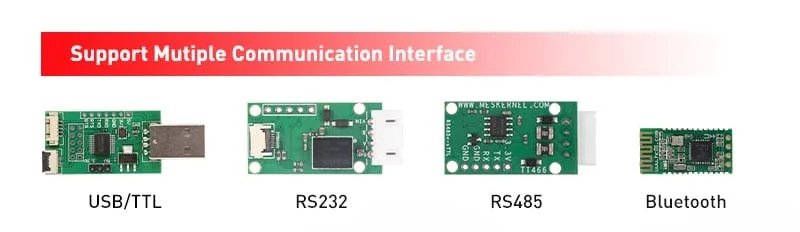
[RESİM: UART RS232 RS485 bağlantılarını gösteren arayüz şeması - arayüz bölümünden sonra yerleştirilmiştir]
5. Çevresel ve Güvenlikle İlgili Hususlar
Çevresel performans genellikle bir modülün gerçek dünya koşullarında güvenilir bir şekilde çalışıp çalışmayacağını belirler. Sıcaklık aralığı, titreşim direnci ve toz ve neme karşı koruma dikkatle değerlendirilmelidir.
905nm lazer telemetre modüllerinin çoğu IEC 60825 kapsamında Sınıf 1 göz güvenliği standartlarını karşılayacak şekilde tasarlanmıştır, bu da onları kamusal ve endüstriyel ortamlar için uygun hale getirir. Özellikle insan etkileşimi içeren uygulamalar için her zaman lazer güvenlik sınıflandırmasını doğrulayın.
Zorlu ortamlar için tasarlanmış bir modül seçmek, uzun vadeli güvenilirlik sağlar ve bakım maliyetlerini en aza indirir.
6. Doğru Lazer Telemetre Modülü Tedarikçisini Seçin
Teknik özelliklerin ötesinde, güvenilir bir lazer telemetre modülü tedarikçisi uzun vadeli başarı için çok önemlidir. Güvenilir bir tedarikçi tutarlı kalite, istikrarlı üretim kapasitesi ve duyarlı teknik destek sunar.
Tedarikçileri değerlendirirken şunları göz önünde bulundurun:
- Üretim deneyimi ve Ar-Ge kapasitesi
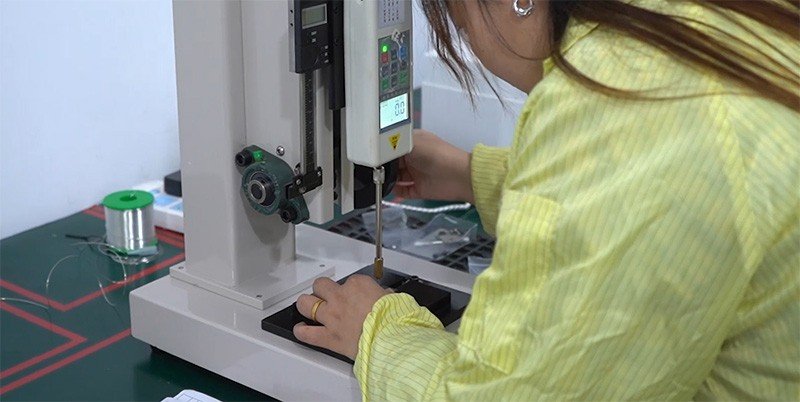
- Kalite kontrol ve kalibrasyon süreçleri
- OEM projeleri için özelleştirme seçenekleri
- Satış sonrası destek ve dokümantasyon
Deneyimli bir lazer telemetre modülü üreticisi ayrıca uygulama rehberliği sağlayabilir ve sistem gereksinimlerinize göre modül seçimini optimize etmeye yardımcı olabilir.
7. Uygulamanız için Maliyet ve Performansı Dengeleyin
Fiyat her zaman bir faktör olsa da, en düşük maliyetli seçeneğin seçilmesi zaman içinde daha yüksek sistem riskine neden olabilir. Performans, güvenilirlik ve tedarikçi desteğini dikkate alan dengeli bir yaklaşım genellikle en iyi yatırım getirisini sağlar.
Büyük ölçekli dağıtım için, partiler arasındaki tutarlılık ve aynı modül modelinin uzun vadeli kullanılabilirliği özellikle önemlidir. İstikrarlı bir lazer telemetre modülü tedarikçisi ile çalışmak, yeniden tasarım risklerini azaltır ve tedarik sürekliliğini sağlar.
Sonuç
Doğru seçimi yapmak 905nm Lazer Telemetre Modülü menzil, doğruluk, boyut, arayüz uyumluluğu, çevresel performans ve tedarikçi güvenilirliğinin kapsamlı bir değerlendirmesini gerektirir. İster dış mekan algılaması için uzun menzilli bir lazer telemetre modülüne ister kompakt gömülü sistemler için küçük boyutlu bir lazer telemetre modülüne ihtiyacınız olsun, teknik özellikleri gerçek uygulama ihtiyaçlarıyla uyumlu hale getirmek çok önemlidir.
Deneyimli bir lazer telemetre modülü üreticisi ile iş ortaklığı yaparak projeniz için güvenilir performans, daha sorunsuz entegrasyon ve uzun vadeli sistem kararlılığı sağlayabilirsiniz.