Introduction: Why Laser Sensor Interface Integration Matters
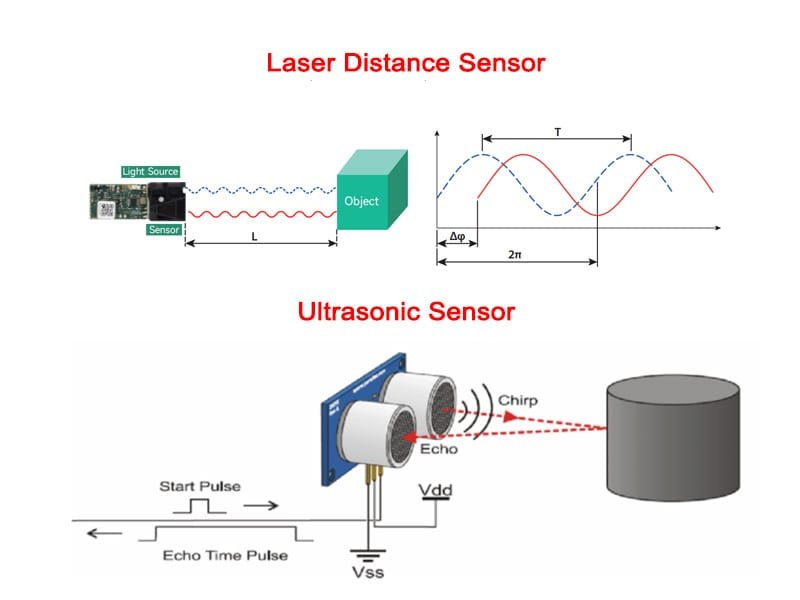
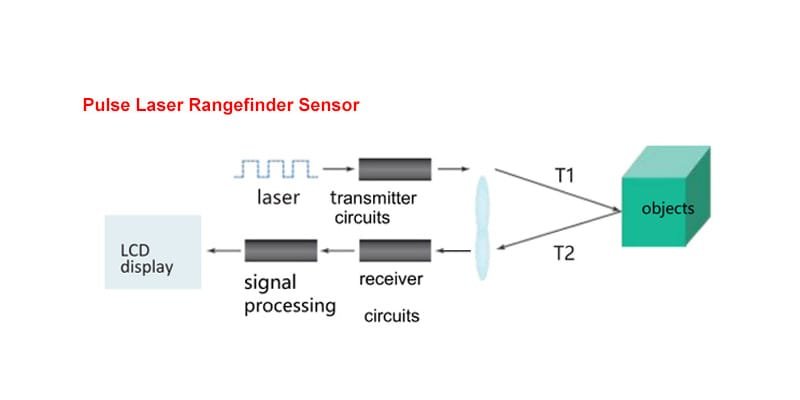
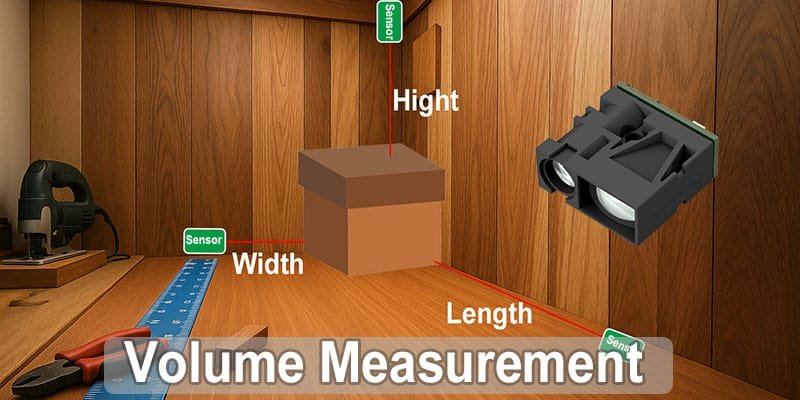
As laser-based measurement technologies continue to evolve, the Laser Sensor has become a critical component in industrial automation, robotics, logistics, and smart infrastructure. However, selecting the right sensor is only half of the equation. Successful deployment also depends heavily on interface compatibility and system integration.
Different control platforms—such as PLCs, microcontrollers, and industrial PCs—require different communication protocols. This is where interface selection plays a decisive role. In this Laser Sensor Interface & Integration Series, we focus on three of the most widely used digital communication standards: UART, RS232, и RS485, and explain how each impacts laser distance sensor integration.
Common Digital Interfaces Used in Laser Sensor Systems
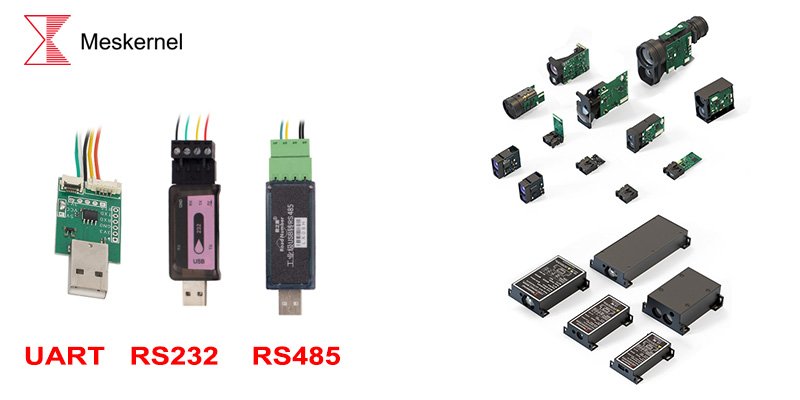
A modern Laser Sensor typically outputs distance data through serial communication. While the sensing principle may remain the same, the interface determines how data is transmitted, how far it can travel, and how resistant it is to interference.
The most common interfaces include:
- UART for embedded and development platforms
- RS232 for legacy and point-to-point systems
- RS485 for industrial networks
Understanding these interfaces helps engineers avoid integration issues and reduce system development time.
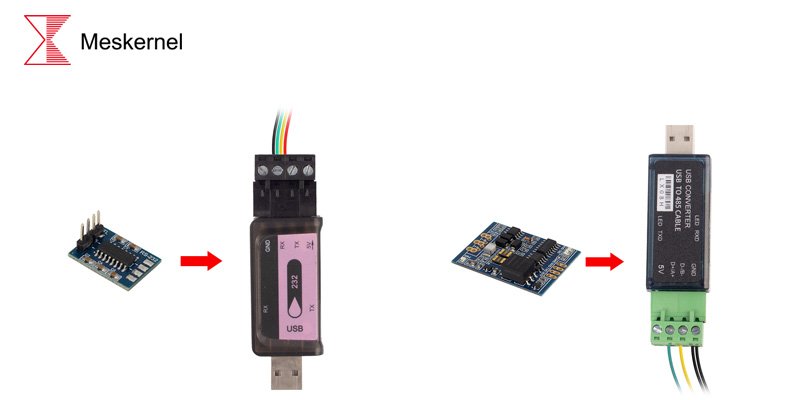
UART Laser Distance Sensor: Ideal for Embedded Systems
A UART laser distance sensor is commonly used in embedded applications where compact size and low power consumption are critical. UART communication is simple, point-to-point, and easy to implement on platforms such as Arduino, ESP32, STM32, and Raspberry Pi.
UART-based Laser Distance Sensor modules are especially popular in:
- Робототехника и навигация AGV
- UAV altitude measurement
- Smart devices and IoT systems
- Prototyping and R&D projects
Because UART does not require complex protocol stacks, developers can quickly read distance data and integrate the sensor into custom firmware. This makes UART laser distance sensors an excellent choice for early-stage development and compact embedded designs.
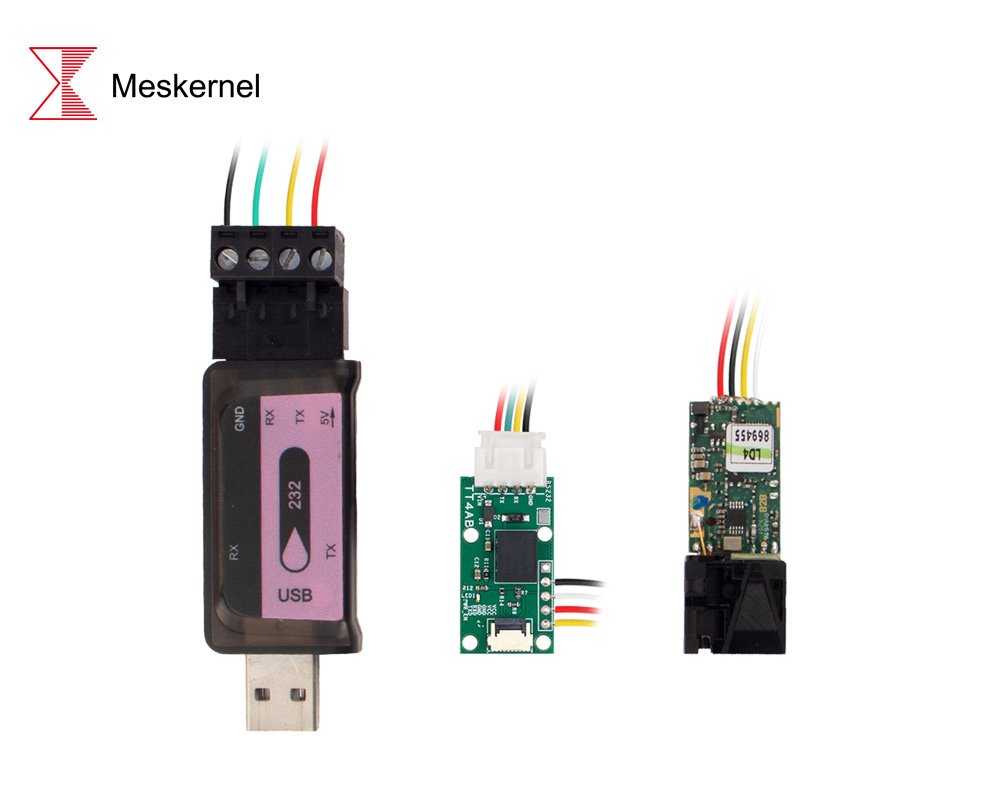
RS232 Laser Distance Sensor: Simple and Reliable Legacy Interface
Сайт RS232 laser distance sensor remains relevant in many traditional industrial and laboratory setups. While it supports shorter communication distances compared to RS485, RS232 is known for its simplicity and widespread compatibility with industrial PCs and older controllers.
Typical use cases for RS232 Laser Measurement Sensor integration include:
- Test benches and calibration systems
- Industrial PCs with serial ports
- Legacy automation equipment
- Laboratory measurement setups
RS232 laser distance sensors are often used when system stability and compatibility outweigh the need for long-distance communication.
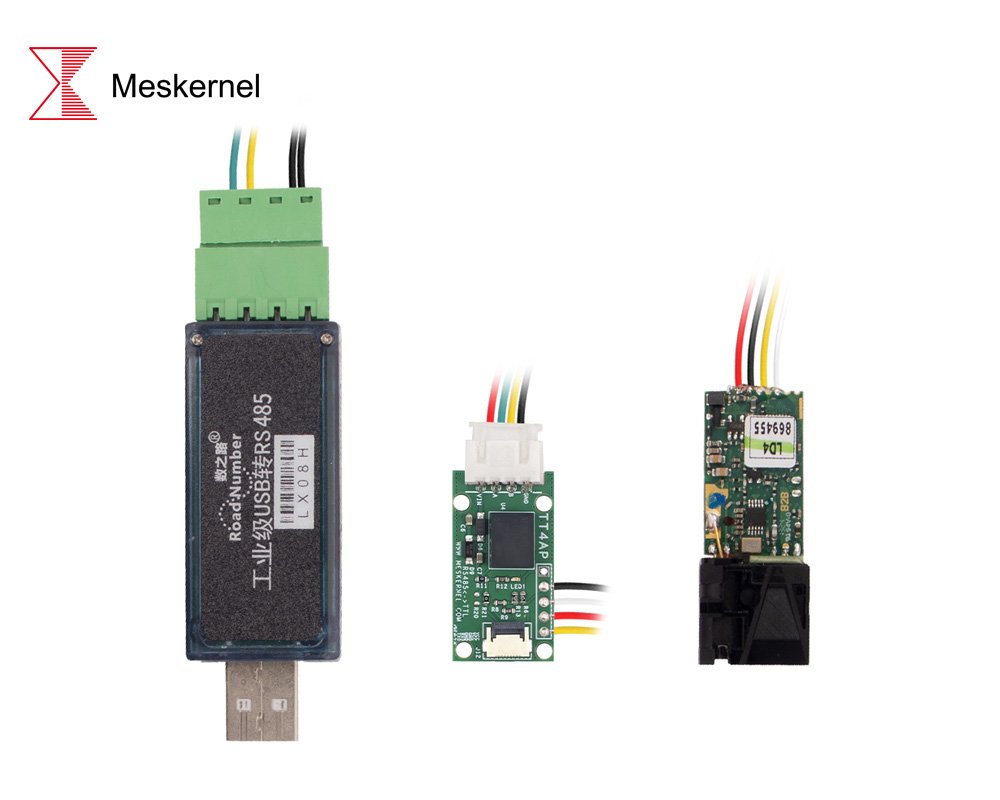
RS485 Laser Distance Sensor: Industrial-Grade Communication
. RS485 laser distance sensor is widely used in harsh industrial environments where long cable runs and electromagnetic interference are common.
RS485 supports differential signaling, which allows stable communication over distances up to 1200 meters. This makes it ideal for factory automation, conveyor systems, and outdoor measurement installations.
Key advantages of Laser Sensor RS485 integration include:
- Multi-drop networking (one master, multiple sensors)
- High noise immunity
- Long transmission distance
- Modbus RTU protocol compatibility
In PLC-controlled systems, RS485 laser distance sensors are often connected directly to control cabinets, enabling real-time distance monitoring for positioning, level measurement, or collision avoidance.
Choosing the Right Laser Sensor Interface for Your System
When selecting a Laser Sensor interface, engineers should evaluate the system architecture rather than focusing solely on sensor performance. Important factors include:
- Communication distance
- Noise environment
- Controller type (PLC, MCU, IPC)
- Number of sensors in the network
- Required data update rate
For example, a warehouse automation system may favor an RS485 laser distance sensor for its networking capability, while a compact robot may benefit more from a UART laser distance sensor.
Integration Tips for Faster Deployment
To ensure smooth Laser Distance Sensor integration, consider the following best practices:
- Match voltage levels between sensor and controller
- Use shielded cables for RS485 and RS232 connections
- Verify protocol settings such as baud rate and data format
- Test communication stability before final installation
Proper interface planning not only improves system reliability but also reduces maintenance costs over the long term.
Conclusion: Interface Selection Defines System Performance
In modern measurement systems, the Laser Sensor is no longer a standalone component—it is part of a larger data and control ecosystem. Whether you choose an RS485 distance sensor, a UART distance sensor, or an RS232 laser distance sensor, the interface you select will directly affect system performance, scalability, and reliability.
Это Лазерный датчик расстояния Interface & Integration Series aims to help engineers and system integrators make informed decisions and achieve seamless deployment across diverse applications.