Can Phase Laser Distance Sensor Work in Sunlight? Real Outdoor Test Results
In modern applications such as industrial automation, drone navigation, and smart agriculture, accurate distance measurement is essential—even in challenging outdoor environments. However, one common question continues to arise: Can a Phase Laser Distance Sensor work reliably in sunlight?
This article presents real outdoor test insights, comparing performance under different lighting conditions, and evaluating the differences between red and green laser solutions. If you are selecting an наружный лазерный датчик or an outdoor distance measurement sensor module, this guide will help you make a more informed decision.

Understanding Phase Laser Distance Sensor Technology
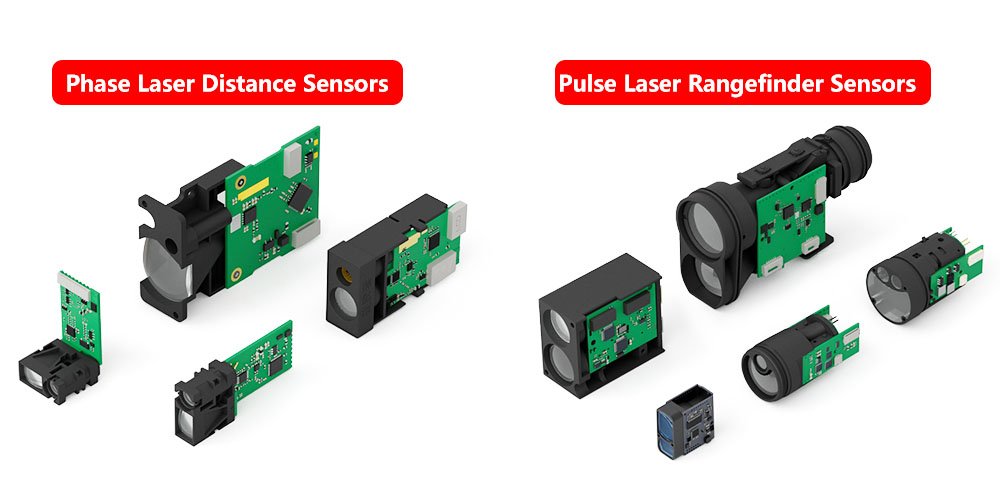
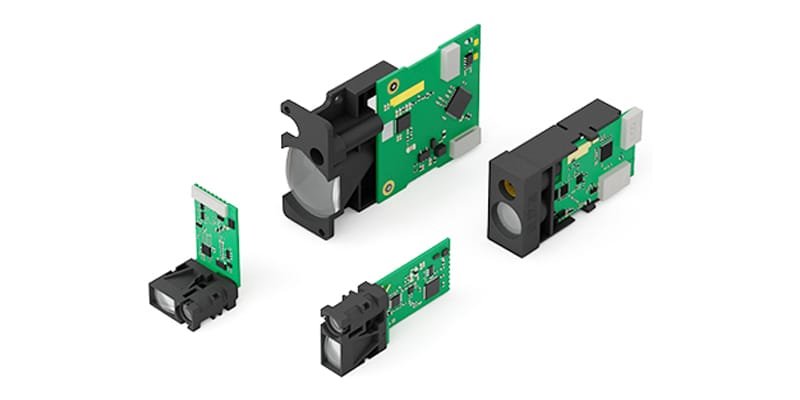
A Фазовый лазерный датчик расстояния operates using the phase shift principle. It emits a continuous laser beam toward a target and calculates the distance based on the phase difference between emitted and reflected signals.
Key Advantages:
- High accuracy (up to ±1mm)
- Fast measurement frequency (up to 100Hz or higher)
- Compact size for embedded integration
These advantages make phase-based sensors ideal for short-to-medium range applications. However, their performance can be affected by environmental conditions—especially sunlight.
Challenges of Using Laser Sensors in Sunlight
Outdoor environments introduce several variables that can impact sensor performance:
- Strong ambient light interference
- Reduced signal-to-noise ratio
- Low reflectivity surfaces (dark objects)
- Long-distance attenuation
Sunlight contains a broad spectrum of wavelengths, which can interfere with the sensor’s laser signal, making it harder to detect reflections accurately.
Outdoor Test Setup and Conditions
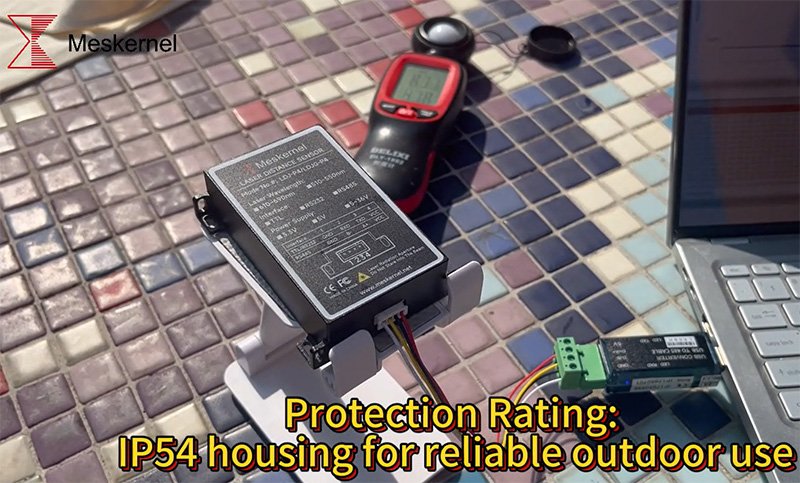
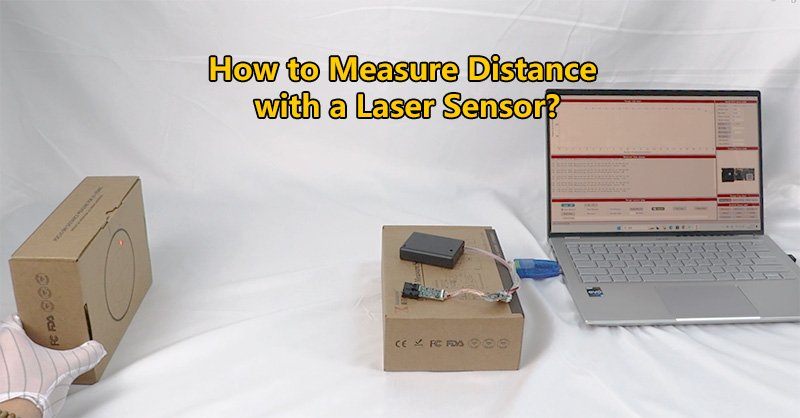
To evaluate real-world performance, we conducted a structured outdoor test using a phase laser distance sensor under different conditions.
Test Variables:
- Distance ranges: 5m, 20m, and 50m
- Lighting conditions: direct sunlight, partial shade, and cloudy environment
- Target surfaces: white wall (high reflectivity) and dark object (low reflectivity)
The goal was to simulate realistic use cases for an outdoor distance measurement sensor module in applications such as construction and UAV positioning.
Red vs Green Laser: Key Differences in Outdoor Performance
One of the most important factors affecting outdoor usability is the laser wavelength. Below is a comparison of red and green laser sensors in real outdoor conditions.
Red Laser Distance Sensor Performance

Red laser sensors typically operate at wavelengths between 620nm and 690nm.
Преимущества:
- Lower cost
- Stable performance in controlled environments
- Mature technology
Limitations in Sunlight:
- Poor visibility in bright environments
- Reduced detection accuracy at longer distances
- Increased measurement fluctuation under direct sunlight
In our outdoor test, red laser sensors performed well at short distances (within 20 meters). However, under strong sunlight at 50 meters, the readings became less stable, especially when measuring darker surfaces.
Green Laser Distance Sensor Performance
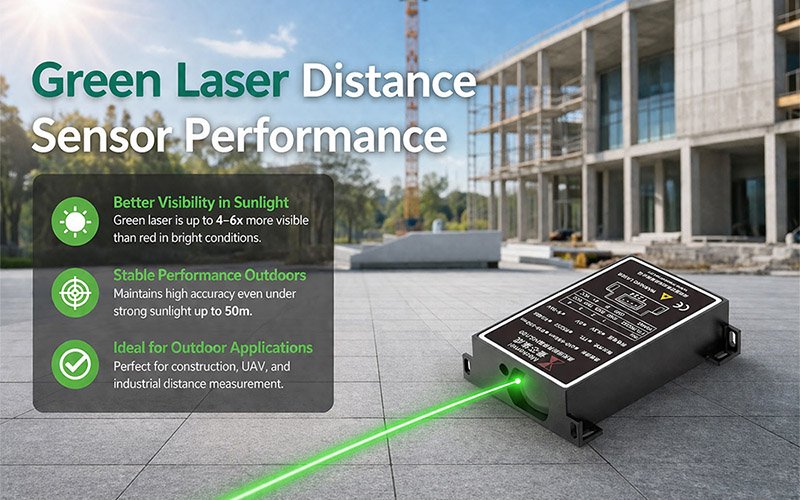
Green laser sensors operate in the 510nm to 550nm wavelength range and are significantly more visible to the human eye.
Преимущества:
- Up to 4–6 times more visible than red laser
- Better performance in bright sunlight
- Improved targeting and alignment
Ограничения:
- Slightly higher cost
- Sensitivity to certain reflective surfaces
During testing, green laser sensors showed noticeably better stability in strong sunlight conditions. At distances beyond 20 meters, they maintained more consistent readings compared to red laser sensors.
Test Results Summary
Based on real outdoor testing, here are the key findings:
- Short Range (0–20m):
Both red and green laser sensors perform reliably with minimal differences. - Medium Range (20–50m):
Green laser sensors demonstrate better stability and accuracy. - Strong Sunlight Conditions:
Green laser significantly outperforms red laser due to higher visibility and signal clarity. - Low Reflectivity Targets:
Red laser may offer slightly more consistent readings in certain dark surface conditions.
Best Applications for Outdoor Laser Sensors
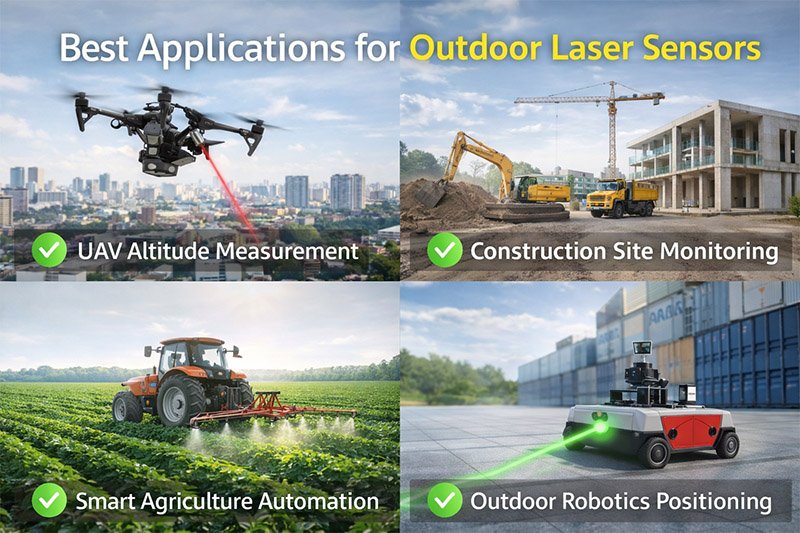
Выбор правильного наружный лазерный датчик depends on your specific application:
Recommended Use Cases:
- UAV and drone altitude measurement
- Construction site distance monitoring
- Agricultural automation systems
- Outdoor robotics and positioning systems
For these applications, selecting a reliable outdoor distance measurement sensor module with appropriate wavelength and filtering capabilities is critical.
How to Improve Outdoor Measurement Accuracy
To optimize the performance of a Phase Laser Distance Sensor in sunlight, consider the following:
- Use optical filters to reduce ambient light interference
- Choose green laser for better visibility
- Optimize target surface reflectivity
- Avoid direct sunlight angles when possible
- Implement signal processing algorithms
These strategies can significantly enhance measurement reliability in outdoor environments.
Заключение
So, can a Phase Laser Distance Sensor work in sunlight?
The answer is yes—but with limitations and proper selection.
While both red and green laser sensors can function outdoors, green laser sensors generally provide superior performance in bright sunlight conditions. For applications requiring higher stability and visibility, green laser-based solutions are often the better choice.
If you are designing or integrating an outdoor distance measurement sensor module, understanding these differences is key to achieving accurate and reliable results.
Looking for a high-performance Фазовый лазерный датчик расстояния optimized for outdoor environments?
Explore our latest solutions designed for precision, stability, and seamless integration across industrial applications.
FAQ
Q1: Can a Phase Laser Distance Sensor work in direct sunlight?
Yes, a Фазовый лазерный датчик расстояния can work in sunlight, but performance may decrease under strong light interference. Using proper filtering and selecting the right laser type improves accuracy.
Q2: Is a green or red laser better for outdoor laser sensors?
For most outdoor laser sensor applications, green laser performs better due to higher visibility in sunlight. Red laser is more cost-effective and stable in controlled environments.
Q3: What affects the accuracy of an outdoor distance measurement sensor module?
Key factors include sunlight intensity, target reflectivity, distance range, and sensor wavelength. Bright light and dark surfaces can reduce measurement stability.
Q4: What is the best distance range for outdoor phase laser sensors?
Most outdoor distance measurement sensor modules perform best within 0–50 meters. Accuracy may decrease at longer distances under strong sunlight.
Q5: How can I improve outdoor measurement performance?
You can improve performance by using green laser sensors, optimizing installation angles, reducing direct sunlight exposure, and applying optical filtering.