Laser Distance Sensor for Structural Monitoring in Bridge Deformation Measurement
As global infrastructure continues to age, ensuring the safety and stability of bridges has become a critical priority for engineers and governments alike. Structural health monitoring systems are increasingly being deployed to detect early signs of deformation, displacement, and stress. Among the most effective technologies in this field, the laser distance sensor for structural monitoring is gaining widespread attention for its precision, reliability, and non-contact measurement capability.
The Importance of Bridge Deformation Monitoring
Bridges are constantly exposed to dynamic loads, environmental changes, and long-term material fatigue. Over time, these factors can lead to structural deformation such as deflection, settlement, and vibration. Without accurate monitoring, minor changes can evolve into major safety risks.
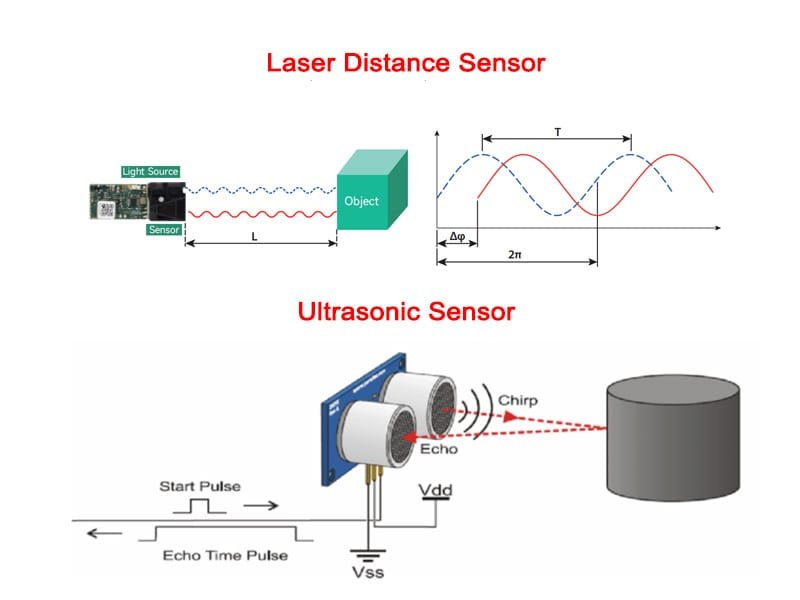
Bridge Monitoring Methods Comparison. Traditional inspection methods, including manual measurement and contact-based sensors, often lack the ability to provide continuous, high-precision data. This is where a laser distance sensor for structural monitoring offers a significant advantage by enabling real-time and non-contact measurement across critical points of a bridge.

Why Laser Distance Sensors Are Ideal for Structural Monitoring
The growing adoption of laser distance sensor for structural monitoring solutions is driven by several key benefits:
非接触測定
Unlike traditional contact sensors, laser-based systems measure distance without physical contact. This reduces wear and tear while ensuring long-term stability, especially in harsh outdoor environments. A non contact distance measurement sensor is particularly useful for monitoring hard-to-reach areas of large bridges.
High Precision and Stability
Modern sensors can achieve millimeter-level accuracy, making them suitable for detecting even the smallest structural changes. A high precision laser distance sensor ensures that early-stage deformation is identified before it becomes critical.
長距離走行能力
Bridges often require measurements over tens of meters. A long range laser distance measurement sensor can accurately monitor displacement across large spans without requiring complex installations.
リアルタイム・モニタリング
Continuous data acquisition allows engineers to analyze structural behavior under different conditions, including traffic loads and temperature changes. This real time distance measurement sensor capability is essential for modern structural health monitoring systems.
How Laser Distance Sensors Work in Bridge Applications
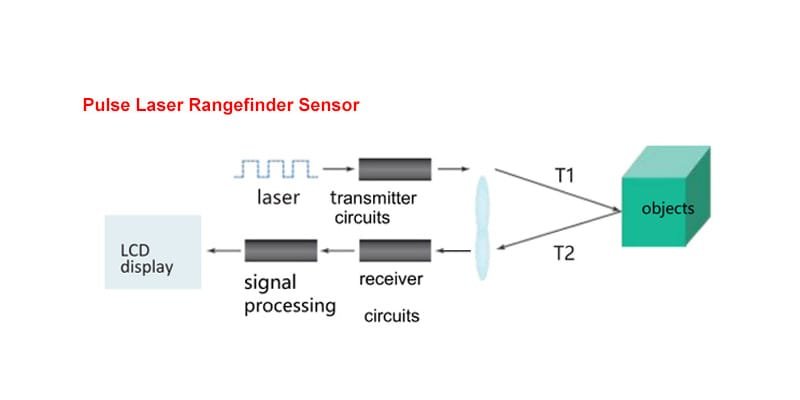
Most advanced systems rely on phase-shift or time-of-flight principles to calculate distance. In a typical setup, a laser distance sensor for structural monitoring emits a laser beam toward a target surface and measures the reflected signal to determine distance with high accuracy.
These sensors can be integrated into monitoring networks using interfaces such as RS485, Modbus, or UART. This allows seamless communication with data acquisition systems, PLCs, and cloud-based monitoring platforms. As a result, engineers can build scalable and automated structural health monitoring sensor systems tailored to specific bridge requirements.
Key Applications in Bridge Deformation Measurement
Laser-based measurement technology is widely used in several critical bridge monitoring scenarios:

Bridge Deflection Monitoring
Deflection is one of the most important indicators of structural performance. Laser sensors can continuously track vertical displacement at key نقاط along the bridge span, providing accurate and real-time insights.
Expansion Joint Measurement
Temperature variations cause expansion and contraction in bridge structures. A laser distance sensor for structural monitoring can measure joint movement with high precision, helping prevent structural damage.
Cable and Suspension Monitoring
In cable-stayed or suspension bridges, monitoring cable displacement is essential. Laser sensors provide a reliable solution for detecting tension-related movement without interfering with the structure.
Integration with Modern Monitoring Systems
One of the biggest advantages of using a laser distance sensor for structural monitoring is its flexibility in system integration. These sensors can be connected to microcontrollers such as Arduino or industrial PLC systems, enabling customized monitoring solutions.
Wireless connectivity options, including Bluetooth or IoT gateways, further enhance deployment efficiency by reducing wiring complexity. This makes laser sensors an ideal choice for both new infrastructure projects and retrofitting existing bridges.
Advantages Over Traditional Monitoring Methods
Compared to conventional techniques, laser-based systems offer several clear advantages:
- Non-contact operation reduces maintenance requirements
- Higher accuracy improves early detection capability
- Long-distance measurement simplifies installation
- Real-time data enhances decision-making
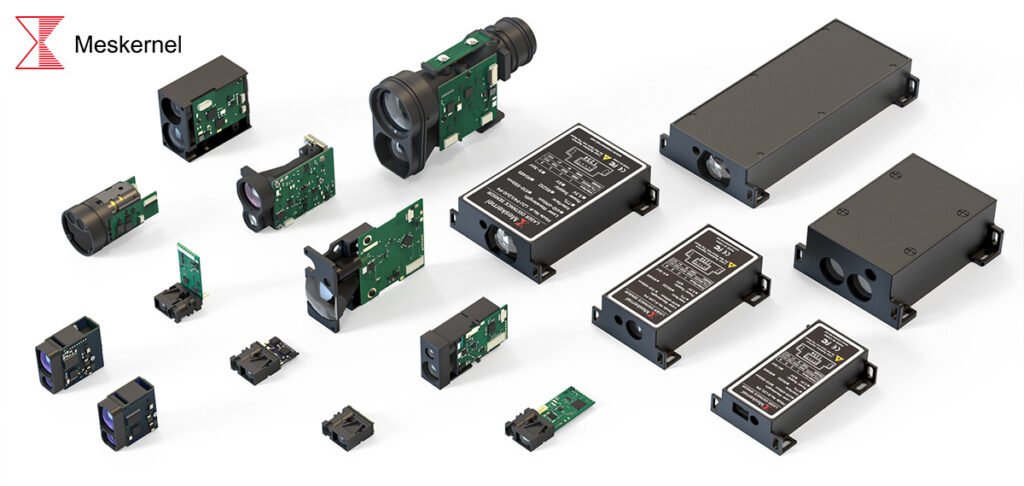
These benefits make the laser distance sensor for structural monitoring a preferred solution for engineers seeking reliable and scalable bridge monitoring systems.
結論
As infrastructure monitoring evolves toward automation and intelligence, laser-based measurement technologies are playing an increasingly important role. A laser distance sensor for structural monitoring not only improves measurement accuracy but also enables real-time insights into bridge behavior, helping prevent failures and extend service life.
For engineers and system integrators, adopting laser distance measurement technology represents a forward-looking approach to ensuring the safety and reliability of critical infrastructure.
FAQ
Q1: What is the accuracy of a laser distance sensor for structural monitoring?
Most high-quality sensors offer accuracy up to ±1mm, making them suitable for precise deformation measurement.
Q2: Can laser sensors be used outdoors on bridges?
Yes, they are designed to operate in outdoor environments and can handle varying light and weather conditions.
Q3: Are laser distance sensors suitable for long-term monitoring?
Absolutely. Their non-contact design ensures durability and stable performance over long periods.
Q4: How are these sensors integrated into monitoring systems?
They can be connected via RS485, Modbus, or other interfaces to PLCs, data loggers, or IoT platforms.