産業オートメーション用RS485レーザー距離センサー

産業オートメーション用RS485レーザー距離センサー

In modern industrial environments, accurate and stable distance measurement is essential for automation, positioning, safety monitoring, and process control. As factories become more connected and intelligent, traditional short-range or consumer-grade sensors are no longer sufficient. This is where the rs485 laser distance sensor has become a preferred solution across industrial automation systems.

Thanks to its long communication distance, strong anti-interference capability, and compatibility with industrial control protocols, the rs485 laser distance sensor is widely used in manufacturing, logistics, robotics, and smart infrastructure projects. In many applications, engineers specifically look for an industrial rs485 laser distance sensor that can operate reliably under continuous load and harsh environmental conditions.

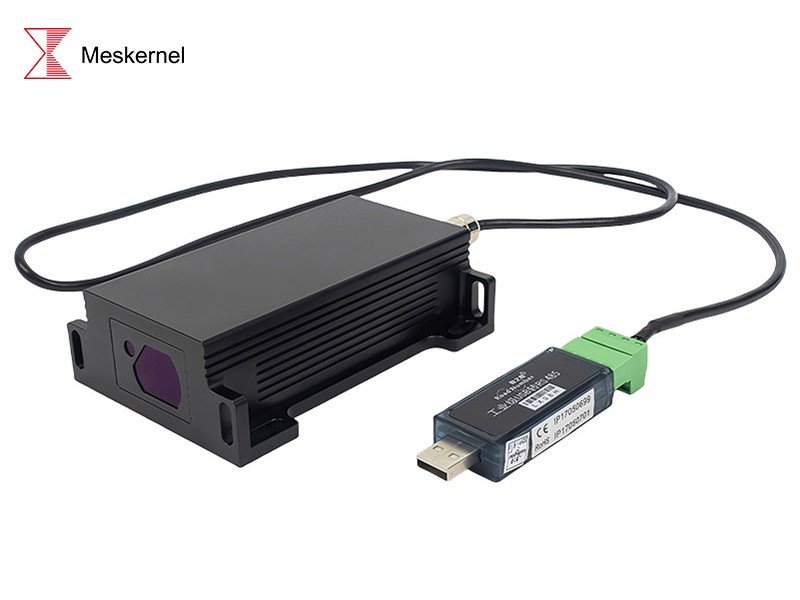
rs485 laser distance sensor

What Is an RS485 Laser Distance Sensor

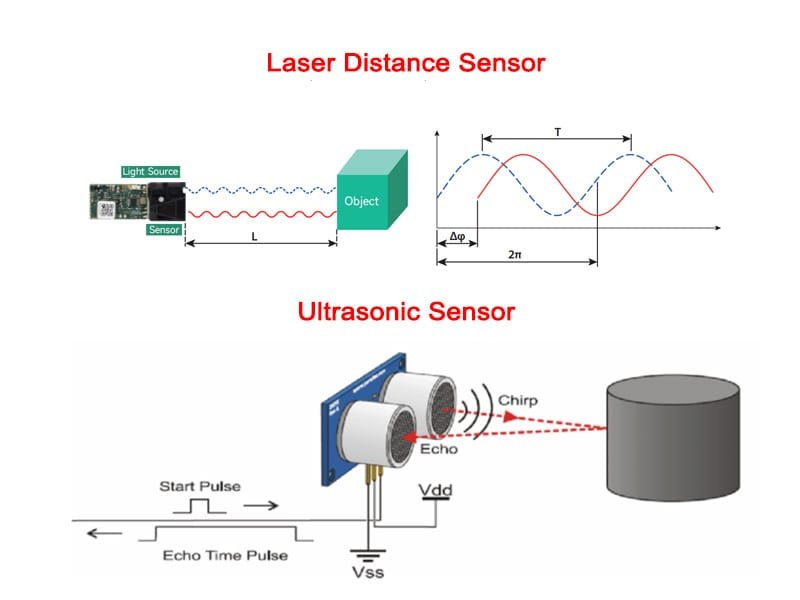
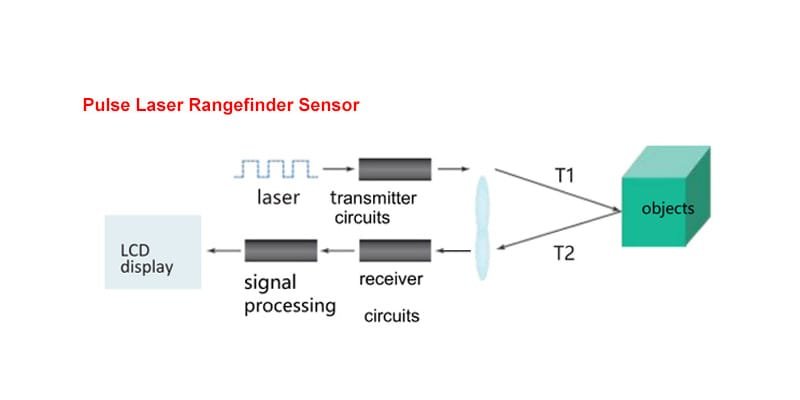
An rs485 laser distance sensor is a laser-based measurement device that calculates the distance between the sensor and a target using optical principles such as phase-shift or time-of-flight technology. The measured data is transmitted through an RS485 communication interface, which is widely adopted in industrial control systems.

Compared with USB or TTL interfaces, RS485 is designed for long-distance and stable communication. This makes the rs485 laser distance sensor especially suitable for factories, warehouses, and outdoor installations where control cabinets may be far from the measurement point.

Why RS485 Communication Is Preferred in Industrial Systems

RS485 communication provides several technical advantages that make it ideal for industrial distance measurement.

One of the key benefits is its long transmission distance. RS485 signals can travel hundreds of meters without significant signal degradation, which is critical for large-scale automation systems. This advantage is particularly important when deploying a long range rs485 laser distance sensor in logistics centers, smart warehouses, or infrastructure monitoring projects.

Another important advantage is strong resistance to electromagnetic interference. Industrial environments often contain motors, inverters, and high-power equipment that generate electrical noise. RS485 uses differential signaling, allowing the rs485 laser distance sensor to maintain stable communication even in electrically noisy conditions.

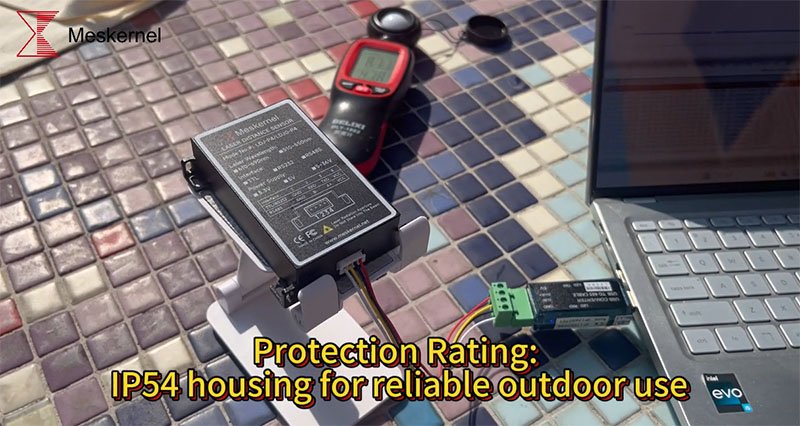
long range rs485 laser distance sensor

High Accuracy and Stable Measurement Performance

Accuracy and repeatability are essential for industrial measurement tasks. A 高精度レーザー距離センサー is capable of delivering consistent and precise distance data, which directly impacts system reliability and control precision.

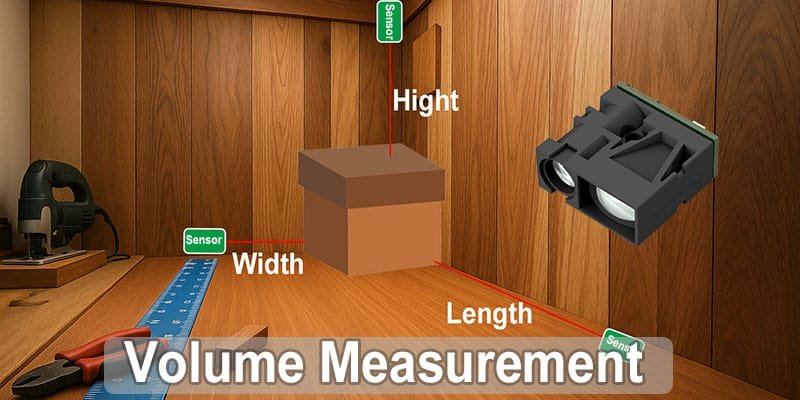
Modern laser distance sensors can achieve millimeter-level accuracy over short to medium ranges and maintain stable performance across varying surface reflectivity and ambient light conditions. In automated production lines, this level of precision supports tasks such as object positioning, level detection, and dimensional inspection.

For applications requiring continuous monitoring, stable measurement output is often more important than peak accuracy. RS485 communication ensures that distance data is transmitted reliably to PLCs and controllers without data loss or instability.

Integration with PLC and Modbus RTU Systems

One of the main reasons engineers choose an rs485 laser distance sensor is its seamless integration with PLCs and industrial controllers. RS485 is supported by most mainstream PLC platforms used in industrial automation.

Many devices support laser distance sensor modbus communication, allowing users to easily read measurement values, configure parameters, and monitor sensor status through standard Modbus registers. This simplifies system integration and reduces development time.

With Modbus RTU over RS485, multiple sensors can be connected on the same communication bus. This architecture is widely used in automated production lines, robotic systems, and centralized monitoring platforms.

Industrial Automation Applications

The rs485 laser distance sensor is widely applied in industrial automation scenarios where reliability and precision are critical.

In manufacturing environments, sensors are used for position feedback, material level measurement, and automated quality control. The use of an industrial rs485 laser distance sensor ensures stable operation even in high-temperature, dusty, or vibration-prone conditions.

In logistics and warehousing, long-range distance sensors help detect pallet positions, measure stack heights, and support automated storage and retrieval systems. A long range rs485 laser distance sensor allows large facilities to centralize data collection without complex wiring or signal repeaters.

industrial rs485 laser distance sensor

Robotics and Smart Equipment

Robotic systems rely heavily on accurate distance feedback to perform navigation, alignment, and obstacle avoidance tasks. RS485 laser distance sensors provide reliable measurement data while allowing multiple sensors to communicate on a shared bus.

In mobile robots and automated guided vehicles, compact sensor design combined with RS485 communication reduces wiring complexity and improves system stability. High accuracy rs485 laser distance sensors help robots make precise movement decisions in dynamic environments.

Smart Infrastructure and Outdoor Applications

Beyond factory automation, laser distance sensors are increasingly used in smart infrastructure projects. Applications include traffic management systems, construction monitoring, and structural displacement measurement.

RS485 communication allows sensors to be installed far from control rooms while maintaining reliable data transmission. This makes rs485 laser distance sensors suitable for bridges, tunnels, and large-scale transportation facilities where long cable runs are unavoidable.

How to Choose the Right RS485 Laser Distance Sensor

Selecting the right rs485 laser distance sensor involves more than just comparing measurement range and accuracy. Communication stability, protocol support, environmental tolerance, and long-term reliability are equally important.

Engineers should confirm whether the sensor supports Modbus RTU, required baud rates, and power supply specifications. For demanding applications, choosing a high accuracy rs485 laser distance sensor with proven industrial references can significantly reduce maintenance costs.

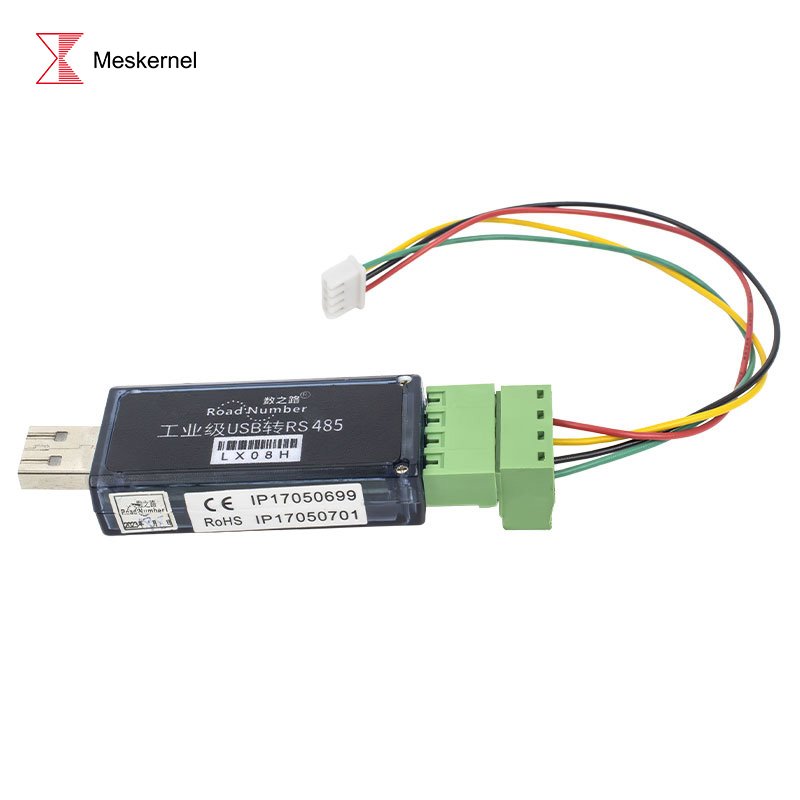
USB to RS485

結論

について rs485 laser distance sensor has become a core component in modern industrial automation and smart control systems. Its combination of stable communication, long-distance transmission, and high measurement accuracy makes it suitable for a wide range of industrial applications.

Whether used in manufacturing, logistics, robotics, or infrastructure monitoring, an industrial laser distance sensor provides reliable and scalable distance measurement. As automation systems continue to evolve, RS485-based laser distance sensors will remain a trusted and widely adopted solution.

ja日本語
上部へスクロール